Hyperhidrosis (Excessive Sweating)
Home » Medical Dermatology » Hyperhidrosis (Excessive Sweating)
What is hyperhidrosis?
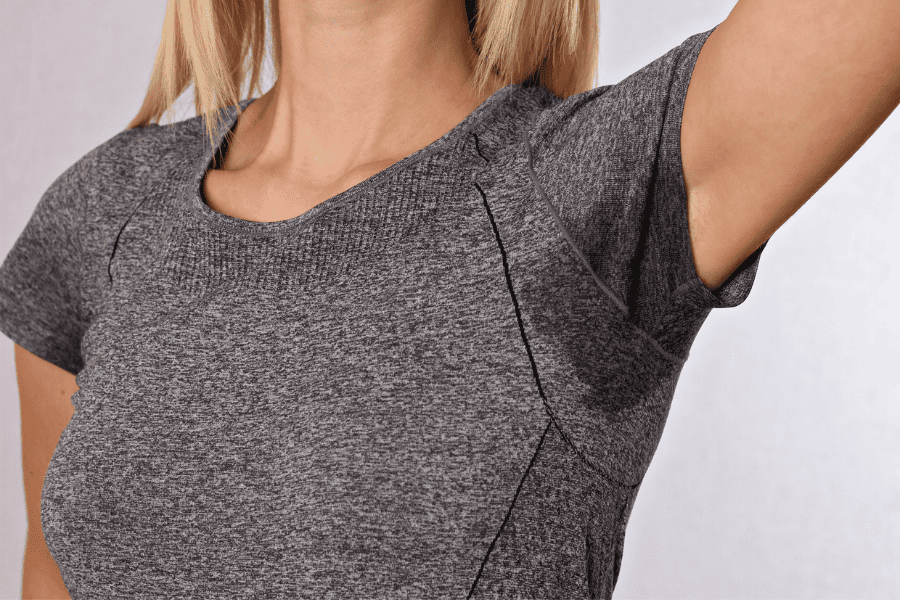
Hyperhidrosis is the term for abnormal amounts of sweating. Too much sweating means you sweat excessively such that it interferes with your day-to-day functioning and confidence. This condition commonly affects the armpits, palms, and soles, and can have a severe impact on quality of life. Many times, sweating occurs uncontrollably and unpredictably, regardless of body temperature, even in cool weather or with lack of physical activity. It can be embarrassing and limit the activities you feel comfortable doing in your daily life.
What causes hyperhidrosis?
Hyperhidrosis is caused by overactive sweat glands. It’s thought that these overactive sweat glands are stuck in an “on” position, similar to a light switch. They continue to produce sweat even when it’s not necessary due to faulty nerve signals. There are several causes of hyperhidrosis including but not limited to:
Heredity
Menopause
Diabetes
Side effects from various medications
All races and all ages can experience excessive sweating.
WHAT ARE THE TYPES OF HYPERHIDROSIS?
There are two types of hyperhidrosis – primary hyperhidrosis and secondary hyperhidrosis. Primary hyperhidrosis is where excessive sweating isn’t associated with any other side effect, preexisting condition, or health concern. Secondary hyperhidrosis is where excessive sweating occurs because of other health factors, such as medications, medical conditions, and more. There is also focal hyperhidrosis, which limits excessive sweating to one area of the body, such as the palms or underarms.
TREATMENTS FOR HYPERHIDROSIS
There are several options for hyperhidrosis treatment, so discussing your unique symptoms and experiences will help our providers create a personalized treatment plan for your excessive sweating. With treatment, you can enhance your self esteem and see results in as soon as a few weeks.
PRESCRIPTION ANTIPERSPIRANTS
Prescription-strength antiperspirants can sometimes treat hyperhidrosis and are often a first-line treatment for excessive sweating. They can effectively reduce sweating throughout the day, although they may not completely control your symptoms. These medications can also come with side effects like rash or irritation that make them undesirable for some patients.
BOTOX INJECTIONS
Botox injections can help weaken nerve and sweat gland activity in the treatment area, resulting in less sweat and odor. It involves a simple injection process using local anesthesia. Botox can reduce underarm sweating (axillary hyperhidrosis) and sweaty palms for months at a time and is often effectively paired with prescription antiperspirants.
MIRADRY
We also offer miraDry which is a non-surgical procedure that uses thermal microwave energy to target and eliminate the odorous sweat glands in your underarms permanently. It’s one of the most complete and long-lasting treatment options. It can even weaken hair growth in the treated area. It’s performed with a local anesthetic and most patients describe only a slight burning sensation. Typically, only a single treatment is needed, but some patients benefit from a second treatment. The treatment takes about one hour.
HYPERHIDROSIS TREATMENT IN SCOTTSDALE, AZ
At Clear Dermatology & Aesthetics Center, we offer solutions for excessive underarm sweating in Scottsdale. Please contact our office to schedule a visit with one of our medical aesthetics specialists and board-certified dermatologists to discuss a treatment plan.
Hyperhidrosis FAQs
What is hyperhidrosis, and how do I know if I have it?
Hyperhidrosis is a medical condition characterized by excessive sweating that goes beyond what's needed to regulate body temperature. You may have hyperhidrosis if you experience sweating that interferes with daily activities, soaks through clothing, or occurs even when you're not hot or exercising.
What causes excessive sweating? Is it hereditary?
Excessive sweating can be caused by overactive sweat glands, certain medical conditions, medications, or hormonal changes. Hyperhidrosis does tend to run in families, with many patients reporting that a parent or sibling also experiences excessive sweating.
Are there different types of hyperhidrosis?
Yes, there are two main types: primary hyperhidrosis, which typically affects specific areas like hands, feet, underarms, or face without an underlying cause, and secondary hyperhidrosis, which occurs due to another medical condition or medication. Our providers can help determine which type you have during your consultation.
Can hyperhidrosis affect just one part of my body?
Yes, primary hyperhidrosis commonly affects specific areas such as the underarms, palms, soles of the feet, or face. Many patients experience excessive sweating in just one or two of these areas rather than all over their bodies.
What are the non-surgical treatment options for hyperhidrosis?
Non-surgical options include prescription-strength antiperspirants, Botox injections, and miraDry. Our team will work with you to find the most effective treatment based on your specific needs and the areas affected.
How does Botox help with excessive sweating?
Botox works by temporarily blocking the nerves that activate sweat glands, significantly reducing sweating in treated areas. Results typically last 4-6 months, and the treatment can be repeated to maintain dryness.
What is miraDry, and is it a permanent solution?
miraDry is an FDA-cleared treatment that uses thermal energy to permanently eliminate sweat glands in the underarms. Because the sweat glands don't regenerate, most patients see lasting results after just one or two treatments.
Are prescription-strength antiperspirants effective for everyone?
Prescription-strength antiperspirants work well for many patients with mild to moderate hyperhidrosis, but effectiveness varies from person to person. If you don't see improvement after consistent use, our providers can recommend alternative treatments that may work better for you.
Can lifestyle changes reduce excessive sweating?
While lifestyle changes like wearing breathable fabrics, avoiding spicy foods and caffeine, and managing stress can help minimize sweating triggers, they typically don't resolve hyperhidrosis on their own. These adjustments work best when combined with medical treatments recommended by our providers.
When should I see a dermatologist for hyperhidrosis treatment?
You should schedule a consultation if excessive sweating disrupts your daily life, causes emotional distress, or doesn't improve with over-the-counter antiperspirants. Our team can evaluate your condition and create a personalized treatment plan to help you find relief.