Eczema
Home » Medical Dermatology » Eczema
What is eczema?
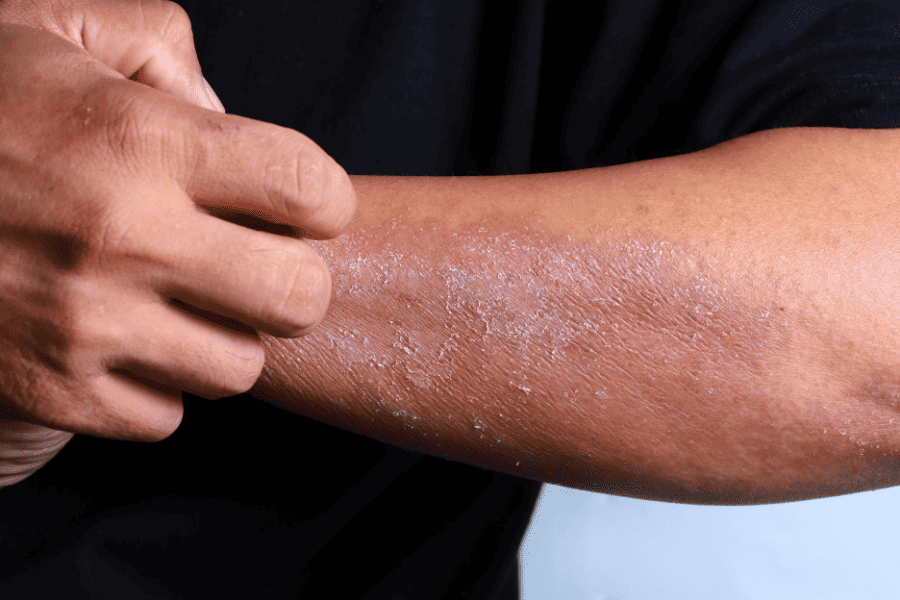
Eczema is an inflammatory skin condition that is also known as atopic dermatitis. Eczema causes itchy, irritated, and red scaly patches to appear on the skin. The direct causes of eczema have not been determined. Eczema can develop in childhood but may not emerge until prompted further into adulthood. Eczema can appear on the face, scalp, knees, arms, and wrists. The eczema patches appear dry and scaly. Eczema can be very irritating by causing itchiness. It is important to avoid itching the affected area because this can lead to infection. Eczema can vary from one individual to another. The condition can be associated with seasonal allergies and asthma and can be hereditary.
What are the common symptoms of eczema?
- Dry skin
- Sensitivity
- Redness
- Itchiness
- Hyperpigmentation
- Scaling of the skin
- Patching
- Oozing or crusting
- Swelling
Start your journey
to Beautiful skin!
Are there other types of eczema?
There are several different forms of eczema. There is atopic dermatitis, contact dermatitis, dyshidrotic eczema, nummular eczema, seborrheic dermatitis, and stasis dermatitis.
Atomic Dermatitis
This is the most common type of eczema. The main condition is itchiness, which can cause rashes, pain, and redness on the skin. This condition can break down the skin barrier and weaken the immune system.
Contact Dermatitis
Contact dermatitis occurs as a reaction to contact with environmental irritants. This can cause the skin to become both irritated and inflamed.
Dyshidrotic Eczema
Dyshidrotic eczema causes small, deep-rooted blisters to emerge on the hands and feet. The blisters are situated on sensitive spots, including between the fingers, making them extremely itchy and painful. The blisters normally take two to three weeks to heal on the skin. After they clear up, the skin is red, cracked, and dry. Common causes of Dyshidrotic eczema include increased stress, temperature changes, and moist hands.
Nummular Eczema
Nummular eczema emerges as circular patches on the skin. The patches can appear dry, sensitive, and can ooze.
Seborrheic Dermatitis
Seborrheic dermatitis commonly occurs on the scalp. This form of dermatitis can cause persistent itchiness and a rash to develop. Many individuals opt for special shampoos to treat the condition.
Stasis Dermatitis
This form of dermatitis occurs due to a lack of circulation in the legs. Symptoms include itchiness, redness, hyperpigmentation, and dryness.
What causes eczema to get better or worse?
Dry Skin
When the skin becomes extremely dry, it can develop scales, making the eczema flare up.
Irritants
Skin irritants can be found in skin products, makeup, soap, and laundry detergent. Irritants can cause eczema to flare up. Using sensitive products can decrease the number of irritants in a product.
Allergens
Environmental irritants can cause an allergic reaction and trigger an eczema flare-up. These can include but are not limited to pollen, dust mites, dander from pets, dandruff, and mold.
Stress
An increase in your stress levels can trigger eczema to flare up. This can cause dryness, itchiness, and redness in the skin. Eczema can cause additional stress, making it difficult to treat.
Hot and cold temperatures
Individuals with eczema can become overly itchy when they get hot. During the winter, the skin can become drier, leading to skin irritation and eczema.
Eczema FAQs
Does eczema go away on its own?
Eczema often follows a pattern of flare ups and periods of improvement. Some children outgrow eczema, while others continue to experience symptoms into adulthood. For many people, eczema requires ongoing management rather than resolving completely.
What does eczema look like?
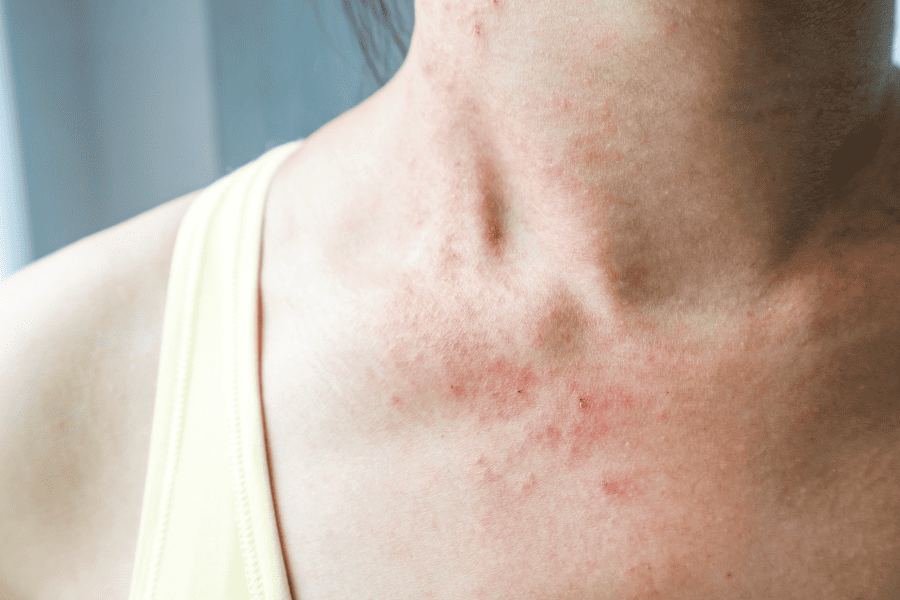
Eczema commonly appears as red, dry, itchy, and inflamed patches of skin. The affected areas may look scaly, rough, or cracked and can sometimes ooze or crust during active flare ups. Over time, repeated scratching can cause the skin to thicken or darken.
What causes eczema to flare up?
Eczema flare ups are often triggered by factors that irritate the skin or disrupt the skin barrier. Common triggers include harsh soaps or detergents, fragrances, environmental allergens, dry or cold weather, heat and sweating, certain fabrics like wool, and underlying skin dryness. Stress and illness can also make flare ups more likely.
Is eczema contagious?
Eczema is not contagious. It cannot be spread through physical contact, sharing personal items, or close interaction with others.
How do you get rid of eczema fast?
While eczema cannot be cured overnight, symptoms can often be improved quickly with consistent moisturization using fragrance free creams or ointments, avoiding known triggers, and using prescribed anti inflammatory medications during flare ups. A dermatologist may recommend topical treatments, light therapy, or other therapies depending on severity.
What are the different types of eczema?
There are several forms of eczema, including atopic dermatitis, contact dermatitis, dyshidrotic eczema, nummular eczema, seborrheic dermatitis, and stasis dermatitis. Each type has different causes, triggers, and treatment approaches.
Can stress cause eczema?
Stress is a common eczema trigger. Emotional or physical stress can worsen inflammation and weaken the skin barrier, leading to flare ups or more severe symptoms.
What foods trigger eczema?
Food triggers vary by individual. Some people notice flare ups after consuming foods such as dairy, eggs, wheat, soy, or nuts, if food sensitivities or allergies are present. Not everyone with eczema has food related triggers, so patterns should be evaluated on a case-by-case basis.
Is eczema an autoimmune disease?
Eczema is not considered an autoimmune disease. It is an inflammatory skin condition linked to immune system activity and impaired skin barrier function, but it does not involve the immune system attacking healthy tissue in the same way autoimmune diseases do.
When should you see a doctor for eczema?
You should see a healthcare provider if eczema is severe, widespread, painful, frequently flaring, or not improving with over-the-counter care. Medical evaluation is also important if there are signs of infection, such as oozing, crusting, swelling, or fever, or if symptoms are affecting sleep or daily activities.